
Top 10 High-Protein Foods for Vegetarians to Build Muscle

Building muscle on a vegetarian diet is absolutely achievable, especially in India where traditional foods are naturally rich in protein, minerals, and gut friendly nutrients. The challenge most beginners face is not lack of options, but lack of clarity on what to eat, how much to eat, and how to combine foods properly for muscle growth.
Muscle building depends on three core factors:
• Adequate protein intake
• Progressive strength training
• Proper recovery and consistency
Protein plays the most critical role because muscles are built from amino acids. When you train, your muscle fibers experience tiny tears. Protein repairs these fibers and makes them stronger and bigger over time.
This guide is written specifically for Indian vegetarians and beginners. All foods listed are affordable, widely available, culturally familiar, and backed by nutrition science. Practical tips and serving ideas are included so you can actually follow this in daily life.
How Much Protein Do You Need to Build Muscle?
Before jumping into food lists, let us set a realistic protein target.
For beginners who are strength training:
• Minimum: 1.2 grams of protein per kg body weight
• Ideal for muscle gain: 1.6 to 2 grams per kg
Example: If you weigh 65 kg, your daily protein requirement ranges from 78 g to 130 g.
Do not panic. You do not need supplements immediately. With smart food choices and planning, most of this can come from whole vegetarian foods.
1. Paneer (Indian Cottage Cheese)
Paneer is one of the best vegetarian protein sources in India and a staple in many households.

Protein content:
• ~18 to 20 g protein per 100 g
Why paneer is excellent for muscle building:
• Rich in casein protein which digests slowly
• Provides sustained amino acid release
• High calcium content supports bone strength
• Easy to cook and versatile
Best ways to consume paneer:
• Paneer bhurji with minimal oil
• Grilled or sautéed paneer cubes
• Added to salads or wraps
• Paneer with roti instead of rice for better protein balance
Beginner tip:
Have paneer during lunch or dinner. It keeps you full and supports overnight muscle recovery when eaten in the evening.
2. Soybeans and Soy Products (Tofu, Soy Chunks)
Soy is a complete plant protein, meaning it contains all essential amino acids required for muscle growth.

Protein content:
• Soybeans: ~36 g per 100 g (raw)
• Soy chunks: ~52 g per 100 g (dry)
• Tofu: ~8 to 10 g per 100 g
Why soy is powerful:
• One of the highest protein vegetarian foods
• Excellent leucine content which triggers muscle protein synthesis
• Affordable and widely available in India
Best ways to eat soy:
• Soy chunk pulao or curry
• Tofu stir fry with vegetables
• Crumbled tofu instead of paneer for variety
Beginner tip:
Start slow if you are new to soy. Introduce small portions to avoid digestive discomfort.
3. Lentils (Dal)
Dal is the backbone of Indian vegetarian nutrition. While individual lentils are not complete proteins, combining them with grains makes them highly effective.
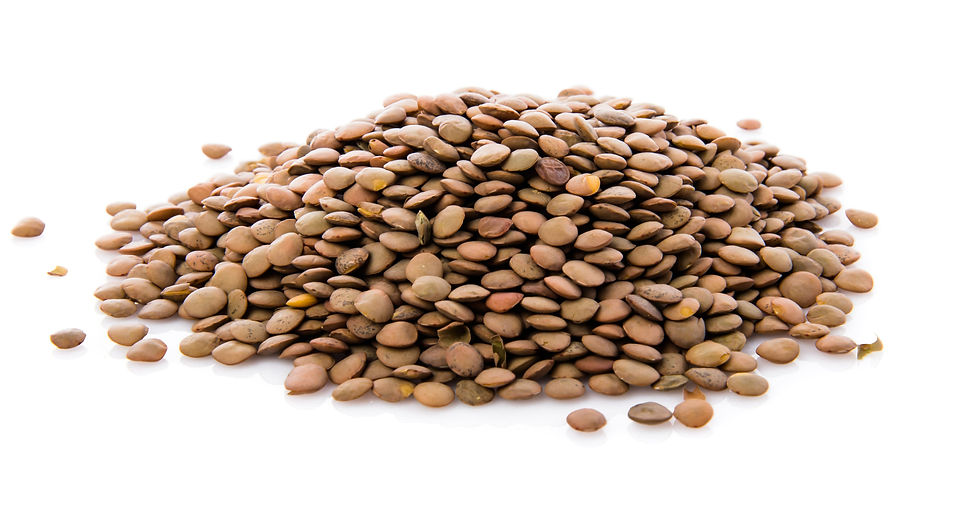
Protein content:
• 7 to 9 g protein per cooked cup
• 20 to 25 g protein per 100 g raw lentils
Popular high protein dals:
• Moong dal
• Masoor dal
• Toor dal
• Urad dal
Why dal works for muscle building:
• Affordable and accessible
• Rich in fiber which improves digestion
• Provides slow releasing energy
• Excellent when combined with rice or roti
Best combinations:
• Dal + rice
• Dal + roti
• Dal chilla for breakfast
Beginner tip:
Avoid excess oil or ghee in dal preparation. Protein quality matters more than taste overload.
4. Chickpeas (Chana)
Chickpeas are a powerhouse of protein, fiber, and complex carbohydrates.

Protein content:
• ~19 g protein per 100 g (dry)
• ~7 to 8 g protein per cooked cup
Why chickpeas help build muscle:
• Keeps you full for long hours
• Provides sustained energy for workouts
• Supports gut health which improves nutrient absorption
Best ways to eat chickpeas:
• Boiled chana salad
• Chana sundal
• Chole with controlled oil
• Roasted chana as a snack
Beginner tip:
Soak chickpeas overnight and pressure cook properly to improve digestion and protein absorption.
5. Milk and Curd (Dahi)
Dairy is one of the most reliable protein sources for vegetarians.

Protein content:
• Milk: ~3.2 g per 100 ml
• Curd: ~3.5 to 4 g per 100 g
Why dairy supports muscle growth:
• Contains both whey and casein protein
• Rich in calcium and probiotics
• Improves muscle recovery and bone density
Best times to consume dairy:
• Milk in the morning or before bed
• Curd with lunch for digestion
• Buttermilk post workout for hydration
Beginner tip:
If lactose sensitive, opt for curd instead of milk. It is easier to digest.
6. Peanuts and Peanut Butter
Peanuts are often underestimated but are nutritionally dense and budget friendly.

Protein content:
• ~25 to 26 g protein per 100 g
Why peanuts are useful:
• High calorie and protein rich
• Contains healthy fats for hormone balance
• Great for people struggling to gain weight
Best ways to eat peanuts:
• Roasted peanuts as snacks
• Homemade peanut butter
• Peanut chutney
• Added to salads or poha
Caution:
Peanuts are calorie dense. Portion control is important to avoid excess fat gain.
7. Almonds, Cashews, and Other Nuts
Nuts provide moderate protein along with essential fats and minerals.

Protein content:
• Almonds: ~21 g per 100 g
• Cashews: ~18 g per 100 g
Why nuts help:
• Support testosterone production
• Improve recovery
• Provide magnesium and zinc
Best consumption method:
• Soaked almonds in the morning
• Handful of mixed nuts as snacks
• Added to smoothies or oats
Beginner tip:
Do not rely only on nuts for protein. Use them as support foods, not primary sources.
8. Quinoa
Quinoa is gaining popularity in India and is one of the few complete plant proteins.

Protein content:
• ~14 g protein per 100 g (raw)
• ~8 g per cooked cup
Why quinoa is good:
• Contains all essential amino acids
• Gluten free
• High in fiber and minerals
How to use quinoa:
• Replace rice with quinoa
• Quinoa vegetable pulao
• Quinoa upma
Beginner tip:
Wash quinoa thoroughly before cooking to remove bitterness.
9. Oats
Oats are not very high in protein but play an important supporting role.

Protein content:
• ~11 to 13 g protein per 100 g
Why oats matter:
• Excellent pre workout food
• Provides complex carbs for energy
• Easy to combine with protein sources
Best combinations:
• Oats with milk and nuts
• Oats with peanut butter
• Savory oats with vegetables and curd
10. Seeds (Pumpkin, Chia, Flax, Sunflower)
Seeds are small but nutritionally powerful.

Protein content:
• Pumpkin seeds: ~30 g per 100 g
• Chia seeds: ~17 g per 100 g
• Flax seeds: ~18 g per 100 g
Why seeds are beneficial:
• Rich in zinc and omega 3
• Support recovery and hormone health
• Easy to add to meals
How to consume:
• Sprinkle on salads
• Add to smoothies
• Mix with curd or oats
Beginner tip:
Use seeds in moderation. Small quantities daily are enough.
Sample High-Protein Vegetarian Day (Indian Style)
Breakfast
• Oats with milk and peanuts
• 2 soaked almonds
Lunch
• Dal + roti
• Paneer sabzi
• Curd
Snack
• Roasted chana or peanut chikki
Dinner
• Soy chunk curry or tofu stir fry
• Vegetables
Before bed
• Warm milk
This structure easily crosses 90 to 110 g protein depending on portions.
Common Beginner Mistakes to Avoid
• Relying only on dal for protein
• Ignoring total calorie intake
• Not eating enough due to fear of fat gain
• Expecting results without strength training
• Inconsistent eating patterns
Muscle building is a slow process. Consistency beats perfection every time.
Do You Need Protein Supplements?
Not mandatory for beginners. Whole foods should always come first. Supplements can be useful only when:
• You cannot meet protein needs through food
• You have time constraints
• You train intensely
Focus on food first. Supplements are just convenience tools.
A vegetarian diet in India is more than capable of supporting muscle growth. The key lies in variety, balance, and consistency. Combine lentils, dairy, soy, nuts, seeds, and grains smartly. Spread protein intake across the day. Train regularly and sleep well.
If you stay patient and disciplined, muscle gain will follow naturally.
Always prefer joining a professional fitness studio like Fionis, where certified trainers can guide you with the right workouts and a personalized diet chart from experts. This helps avoid guesswork, prevents injuries, and ensures you are building muscle in a healthy and sustainable way.
FAQs:
1. Can vegetarians really build muscle without eating eggs or meat?
Yes. Muscle growth depends on total protein intake, calorie surplus, and strength training. Indian vegetarian foods like paneer, soy, dal, milk, curd, nuts, and seeds can easily meet protein needs when planned properly.
2. How much protein should a beginner vegetarian consume daily?
Beginners should aim for 1.2 to 1.6 grams of protein per kg of body weight. For example, a 60 kg person needs around 72 to 96 grams of protein per day.
3. Is soy safe for men and women who want to build muscle?
Yes. Moderate soy consumption is safe for both men and women. Scientific studies show no negative impact on hormones when soy is consumed as part of a balanced diet.
4. Which is better for muscle building: paneer or tofu?
Both are excellent. Paneer is higher in calories and calcium, making it good for bulking. Tofu is lighter and easier to digest, suitable for lean muscle gain. Choosing between them depends on your calorie needs and digestion.
5. Can dal alone provide enough protein for muscle growth?
Dal alone is usually not sufficient. It should be combined with other protein sources like dairy, soy, nuts, or grains to meet daily protein requirements and improve amino acid balance.
6. Do I need protein supplements as a beginner?
No. Most beginners can meet protein needs through whole foods. Supplements are optional and mainly useful when food intake is insufficient due to busy schedules or high training volume.
7. What is the best time to eat protein for muscle gain?
Protein should be spread throughout the day. Including protein in every meal works best. Post workout and dinner protein intake are especially important for recovery.
8. Can I build muscle if I am also trying to lose fat?
Yes, beginners can experience body recomposition. Focus on high protein intake, strength training, and a slight calorie deficit. Results may be slower but sustainable.
9. Are nuts and seeds enough as primary protein sources?
No. Nuts and seeds are supportive protein sources and provide healthy fats and minerals, but they should not replace main protein foods like paneer, soy, dal, or dairy.
10. How long does it take to see muscle gain on a vegetarian diet?
With proper diet and training, beginners usually notice strength improvements in 3 to 4 weeks and visible muscle changes in 8 to 12 weeks. Consistency matters more than speed.


Comments